





Chery Commercial Vehicles and the Three-Decade Push Toward New-Energy Trucks: What It Means for Global Buyers and Dealers
 By System Admin
6 months ago
By System Admin
6 months ago
The new-energy transition in commercial vehicles is no longer a future scenario discussed at industry conferences. In China, it is already reshaping product lines, dealer networks, and export strategies. Recently, eleven central government departments, including the Ministry of Transport, the National Development and Reform Commission, and the Ministry of Industry and Information Technology, jointly issued an implementation plan to scale the use of new-energy heavy trucks. The document signals a coordinated policy push that will influence production volumes, available models, and pricing for international buyers evaluating Chinese commercial vehicles over the next several years.
Chery Commercial Vehicles has emerged as one of the brands accelerating in this environment. The division sits within the broader Chery technology ecosystem and has built a multi-segment new-energy lineup that spans light trucks, microvans, heavy trucks, buses, pickups, and autonomous-enabled vehicles. According to company statements, it has recorded monthly wholesale volumes above ten thousand units for three consecutive months, reflecting growing acceptance among domestic fleet buyers and logistics operators.
Understanding the Policy and Market Context for New-Energy Commercial Vehicles
Commercial vehicles represent a relatively small share of the total vehicle population in China, yet they account for a disproportionate share of transport-related carbon emissions. Closing that gap is central to national decarbonization targets in road transport, which is why heavy-truck electrification has moved from pilot programs to a policy priority. The recent joint implementation plan is designed to accelerate adoption by aligning infrastructure planning, vehicle standards, and operating cost incentives across regions.
For international buyers, this policy direction matters for two practical reasons. First, it accelerates the maturity of Chinese-made electric and hybrid trucks, improving the availability of parts, service networks, and reference fleet data. Second, it shapes which models Chinese OEMs are most willing to export competitively, particularly as domestic demand absorbs a growing share of annual output. Sourcing teams tracking Chinese commercial vehicles should treat the current policy cycle as a window in which exporter relationships, dealer appointments, and pricing terms are being actively negotiated.
Chery's Product Matrix and Approach to Different Operating Scenarios
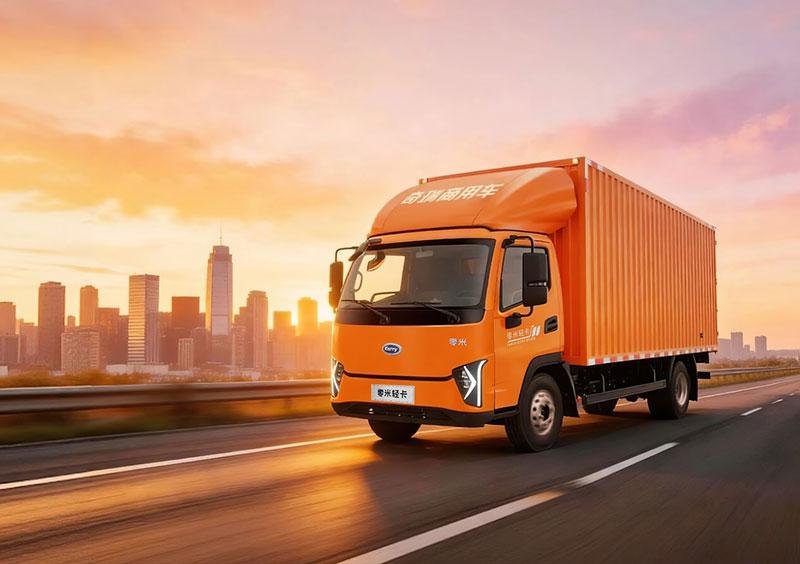
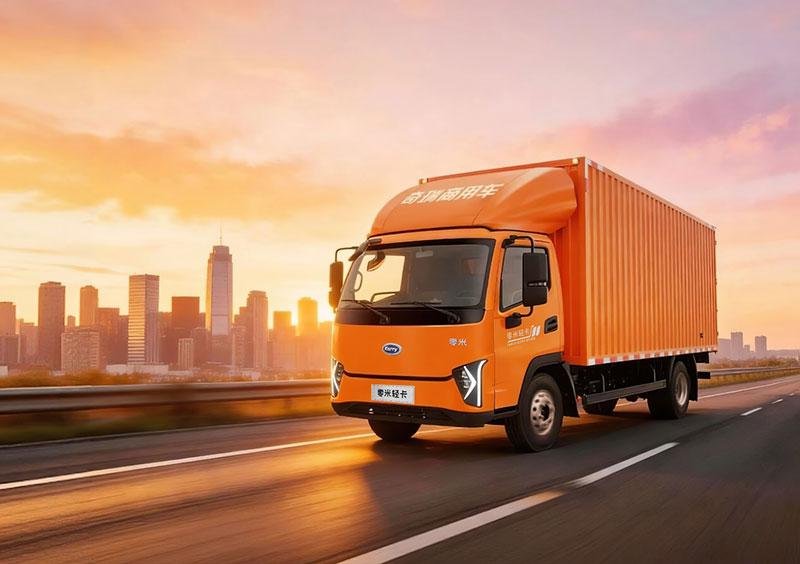
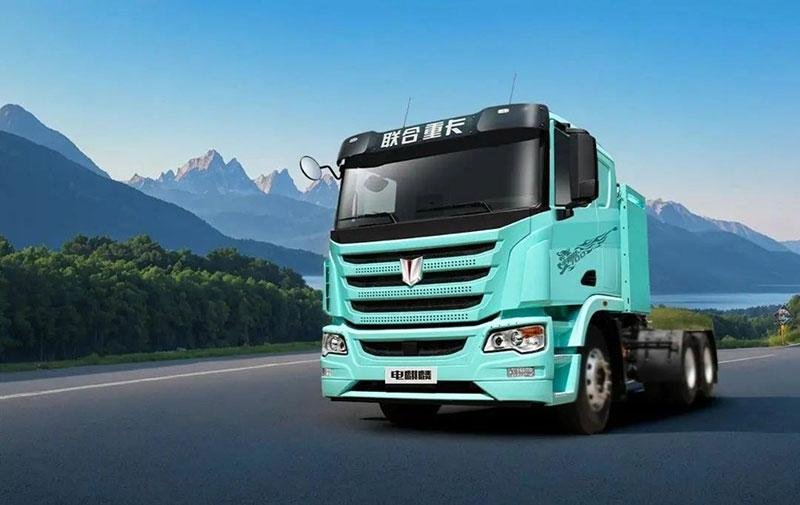
Chery Commercial Vehicles has organized its portfolio around the principle that commercial vehicles are production tools, not scaled passenger cars. Each operating scenario carries different requirements for range, payload, charging behavior, and duty cycles. The company's range addresses several distinct segments. The Lingmi light truck line targets medium- and long-distance logistics with extended range and battery options. The Kairui microvan range is structured for last-mile distribution in dense urban environments. The United Heavy Truck brand covers closed environments such as ports and mining sites, where predictable routes favor electrification. New-energy buses are positioned for public transport fleets, while pickups and VAN-format vehicles address mixed urban-rural and light delivery use cases. Autonomous-enabled vehicles have also entered the lineup, targeting logistics customers exploring unmanned yard and short-haul operations.
Alongside the vehicle range, Chery has outlined a longer-term technology direction called FSCV, or Future Super Commercial Vehicle, which combines a next-generation electrical and electronic architecture with smart fleet scheduling systems. For dealer and exporter partners, the relevance is straightforward: a manufacturer that invests in proprietary platforms and software layers is more likely to support overseas partners with technical documentation, training, and long-term parts continuity, rather than relying solely on imported finished units.
What Exporters, Dealers, and Fleet Buyers Should Evaluate
International buyers evaluating Chery Commercial Vehicles, or any Chinese new-energy commercial vehicle brand, should focus on a consistent set of due-diligence points regardless of marketing claims. Confirm the available drivetrain options for each model, including battery capacity, range ratings under realistic load conditions, and charging standard compatibility with destination markets. Verify the service network, parts inventory commitments, and warranty terms that will apply outside China, as these vary significantly between OEMs and between export contracts. For dealer candidates, assess whether the manufacturer provides structured onboarding, technical training, after-sales escalation channels, and marketing support for new-energy products, which require different customer conversations than diesel vehicles.
Fleet operators planning pilot deployments should request operational data from comparable fleets, including energy consumption per kilometer, maintenance intervals, and total cost of ownership projections under local fuel and electricity prices. Exporters and sourcing teams should also map the relevant homologation and type-approval requirements for each target country early in negotiations, so that model selection aligns with what can actually be registered and insured.
Chery Commercial Vehicles' recent momentum reflects a broader transformation of China's commercial vehicle industry rather than a single-brand story. For buyers, dealers, and exporters, the practical task is to translate that shift into stable supply relationships, clear after-sales commitments, and product selections matched to real operating environments.
Explore current listings from verified sellers on the CVTrader vehicles page, review active exporters on the dealers directory, or learn how to partner with the platform on the become a dealer page.
Featured Vehicles