




FAW Jiefang Reports First-Half 2026 Results: Margin Recovery, Exports, and New Energy Drive Profit Growth
 By System Admin
3 months ago
By System Admin
3 months ago
FAW Jiefang, one of China's largest medium- and heavy-duty truck manufacturers, released its H1 2026 earnings preview on July 14, reporting a significant year-on-year rebound in net profit. The company attributed the improvement to a combination of lean cost management, an upgraded product mix, expanding overseas sales, and rapid growth in its new energy vehicle segment. For international buyers, dealers, and sourcing teams, the results offer a useful signal about where FAW Jiefang is investing and which product lines are gaining commercial traction.
H1 2026 Financial Highlights
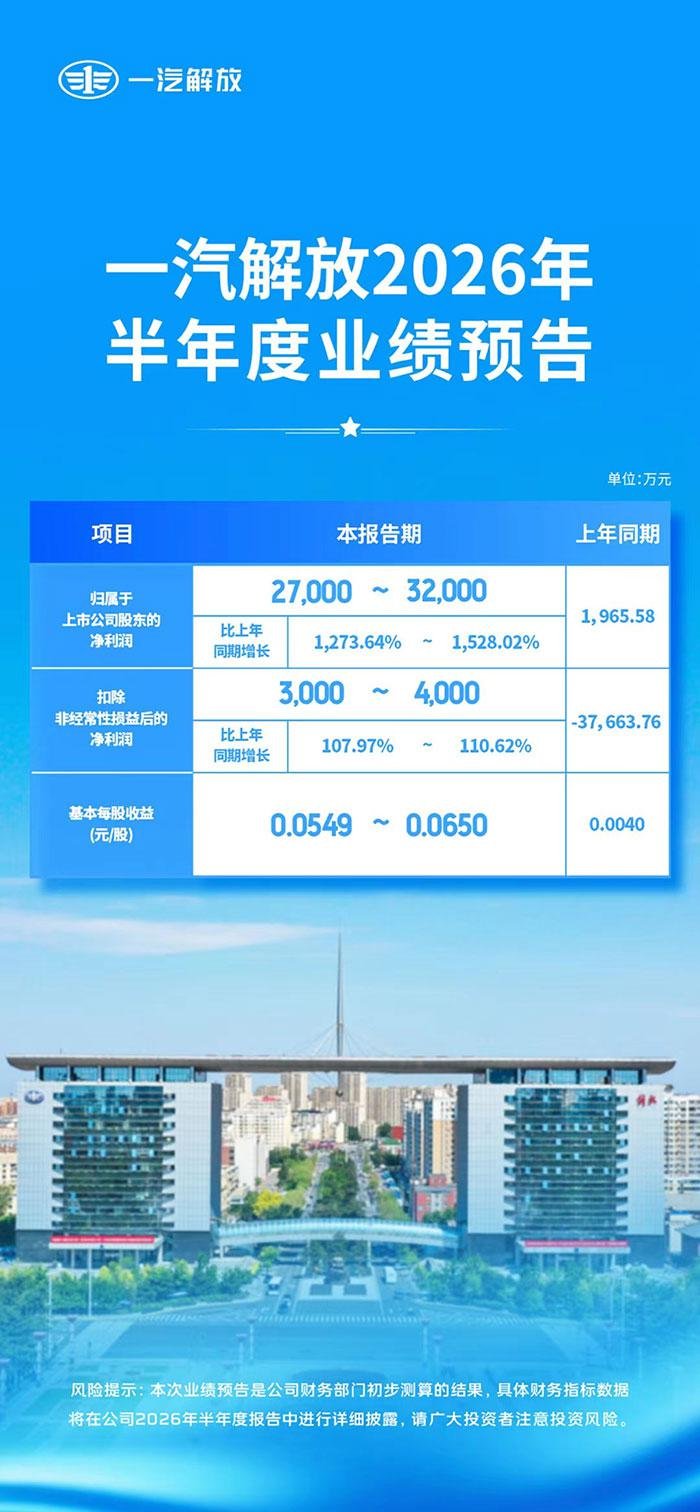
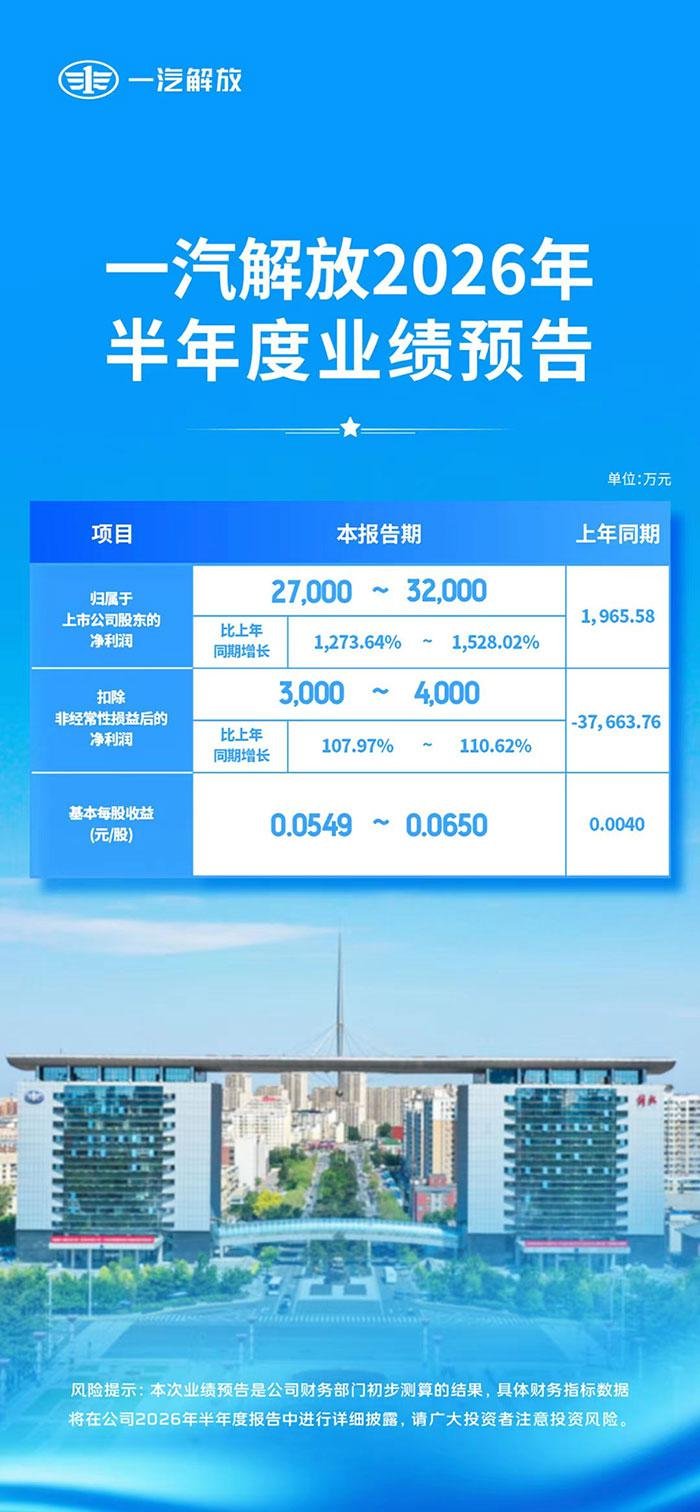
According to the preliminary filing, FAW Jiefang expects attributable net profit of between RMB 270 million and RMB 320 million for the first half of 2026, representing year-on-year growth of roughly 1,274% to 1,528%. Net profit excluding non-recurring items is projected at RMB 30 million to RMB 40 million, up 108% to 111% year on year. The company stated that overall operating quality continued to improve, supported by tighter cost control, a more disciplined expense structure, and a higher share of premium models in the sales mix.
Management also noted that competition in China's commercial vehicle market remained intense in the period, with ongoing price segmentation and a rapid shift in the energy mix adding pressure on traditional manufacturers. Despite these conditions, FAW Jiefang said its core truck business has moved past the bottom of the cycle and is on a recovery track, forming the primary earnings base for the period.
Product Mix Upgrade and Lean Operations
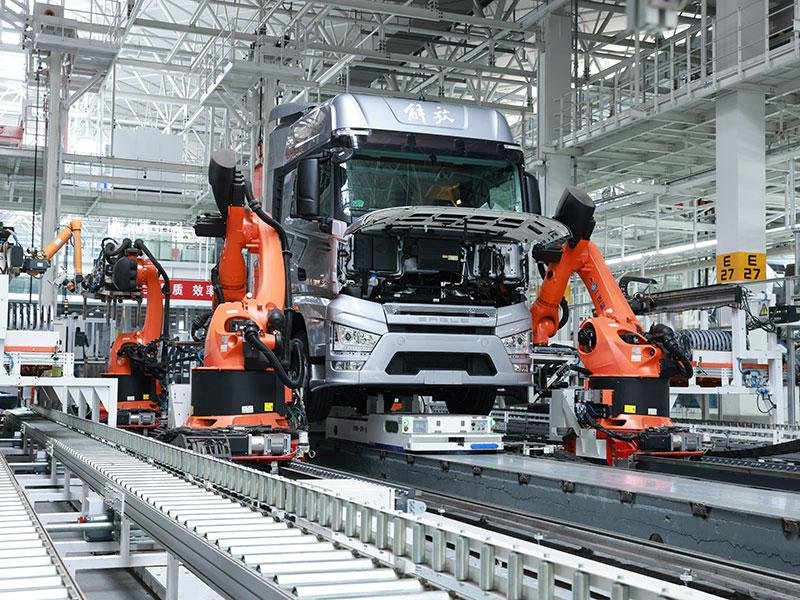
FAW Jiefang's margin improvement has been closely linked to its effort to shift the sales mix toward higher-value models. The company has increased the share of premium heavy trucks such as the J7 series and newer strategic products under the Ying Teng range, focusing on fuel efficiency, lightweight design, and reliability as key selling points. At the same time, the group has tightened quality control across the vehicle production process to lift margins on core products.
On the cost side, FAW Jiefang has applied what it describes as full-chain lean management, coordinating research, procurement, production, sales, and finance functions. The approach targets raw material sourcing, manufacturing efficiency, and overhead control, with the stated goal of reducing unit cost while protecting product quality. The combination of a richer product mix and stricter cost discipline has been the main driver behind the recovery in core profitability.
Overseas Expansion and New Energy as Growth Drivers
Two segments are positioned as the second growth curve for FAW Jiefang: international markets and new energy commercial vehicles. Under its SPRINT 2030 international strategy, the company is accelerating localization in overseas markets, setting up local subsidiaries and building integrated research, production, sales, and service capabilities. The aim is to reduce cross-border operating costs, adapt products to regional requirements, and deepen partnerships with global distributors. Exports of premium heavy trucks, new energy vehicles, and powertrain units have all continued to grow, with overseas markets contributing a rising share of revenue and profit.
In the new energy segment, FAW Jiefang is leveraging its Lantu 3.0 platform, which covers battery electric, hybrid, and hydrogen fuel cell powertrain routes. The company has also rolled out a vehicle-battery separation rental model called "Whale E-Rent," designed to lower the upfront cost barrier for fleet customers and accelerate the deployment of electric trucks. New energy unit volumes continued to outpace the broader industry, reinforcing the segment's role as a key incremental driver.
To support both the dealer network and overseas operations, FAW Jiefang has expanded its 1+N+X industrial finance pool, working with multiple financial institutions to provide financing across the value chain, including supplier credit, dealer stocking finance, new energy vehicle leasing, and cross-border settlement. On the risk side, the company has begun using professional FX hedging tools to lock in margins on overseas business and reduce exposure to currency volatility, which is a relevant consideration for exporters and importers working with Chinese OEMs.
Looking ahead, FAW Jiefang said it will continue to focus on its "Technology Jiefang, Green Jiefang, International Jiefang" strategic direction and accelerate its transition into a provider of green and intelligent transportation solutions. For international dealers and fleet operators, the key signals to watch are the pace of overseas subsidiary rollouts, the expansion of the J7 and Ying Teng premium lines, and the availability of Lantu 3.0 platform vehicles for export markets.
If you are sourcing Chinese commercial vehicles for resale or fleet deployment, CVTrader makes it easy to compare available trucks from verified dealers and exporters in one place. Browse current listings on our vehicles page, connect with established partners through our dealer directory, or learn how to join the network on the become a dealer page.
Featured Vehicles