




Foton Tunland and Foton风景 Launch Full Passenger Van Lineup in Kunming: What International Buyers Should Know
 By System Admin
6 months ago
By System Admin
6 months ago
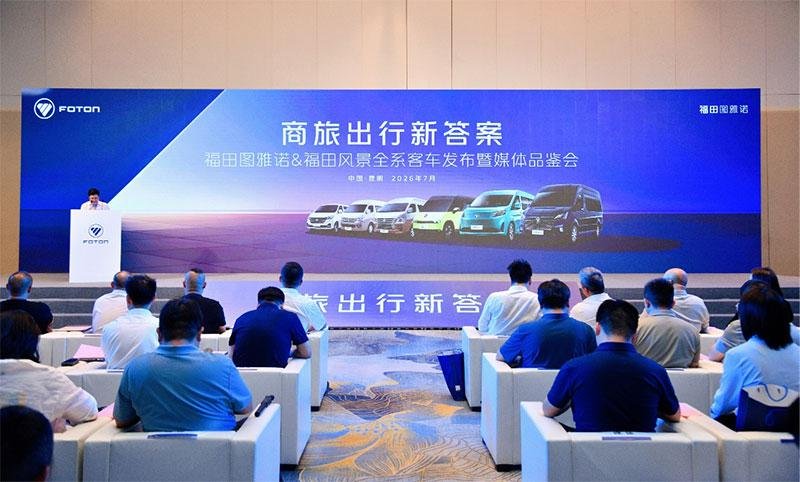
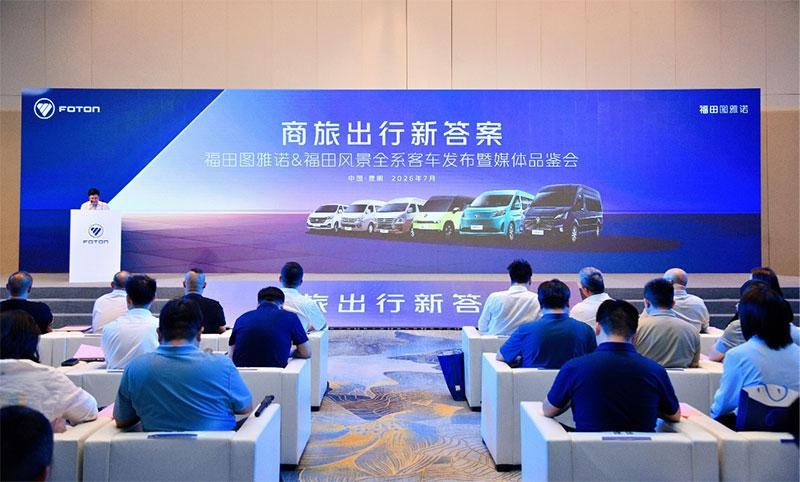
Foton's Tunland (图雅诺) and Foton风景 (Fengjing) brands held a full-line passenger vehicle launch and media showcase in Kunming, Yunnan, on July 21 under the theme "A New Answer for Commercial and Tourism Mobility." The event brought together the complete passenger coach and van lineup across two model families, alongside strategic partnership signings and the formal establishment of a "VAN+ Lifestyle Ecosystem Alliance." For international dealers, importers, and fleet operators evaluating Chinese-built light commercial and passenger vehicles, the Kunming launch offers a useful snapshot of where one of China's established commercial vehicle manufacturers is directing its passenger-transport strategy.
Market Context Behind the Launch
Chinese passenger transport is undergoing a structural shift. Traditional scheduled coach volumes have declined significantly over the past decade, while customized passenger services, tourism-transport integration, community shuttle routes, school bus services, and dedicated airport lines have grown rapidly. The event highlighted changing customer priorities across these segments: economic efficiency, safety, operating reliability, and ride comfort are now non-negotiable across nearly every use case. Foton positioned its Kunming launch as a response to this fragmentation, presenting products tailored to specific scenarios rather than one-size-fits-all vans.
From a sourcing perspective, this segmentation is relevant for overseas buyers. A light commercial vehicle that works for high-frequency urban shuttle duties is rarely the right tool for premium executive transport or for rural mixed-route operations. Foton's emphasis on scenario-specific models reflects a broader trend among Chinese exporters toward more clearly differentiated product lines, which can simplify specification selection for buyers building mixed fleets.
The Product Matrix: Two Brands, Seven Passenger Models
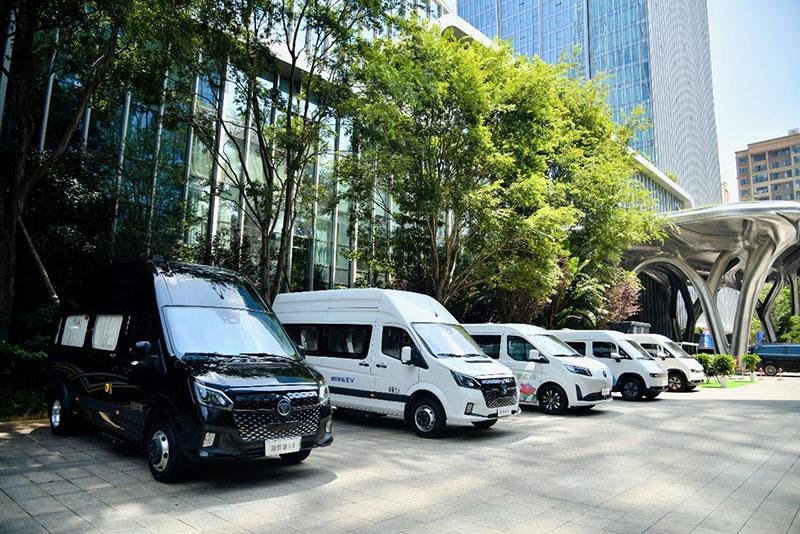
Foton presented the lineup as a coordinated two-brand system. The Tunland (图雅诺) series anchors the upper end of the range, with the Tunland X6 and X8 positioned for mid-to-high-end business reception and tourism passenger applications. The X8 is marketed around five core attributes: structural safety, flagship-level comfort, generous interior space, driving dynamics, and low energy consumption, targeting tourism reception, corporate shuttle, and team transport use cases.
The Foton风景 (Fengjing) series provides broader coverage. The Fengjing G5, G7, and G9 form a tiered lineup aimed at intercity and rural passenger services, urban micro-circulation routes, and customized transport operations. The Fengjing i9 and i9+ passenger versions are built on a dedicated battery-electric platform and are positioned around operating efficiency, powertrain performance, intelligent safety features, interior practicality, and driver and passenger experience. Together, the two series cover the spectrum from rural and community passenger services up to premium business transport, with both internal combustion and electric powertrain options available.
For international buyers, the practical takeaway is product breadth within a single supplier relationship. Dealers and fleet operators looking to consolidate procurement can address executive shuttle, tourism coach, urban micro-mobility, and rural passenger segments through one OEM, rather than sourcing each category separately. Buyers should still evaluate homologation requirements, left-hand-drive availability, charging infrastructure compatibility for EV variants, and after-sales support networks in their target markets before committing to volume orders.
Partnerships and the VAN+ Ecosystem Alliance
Beyond product launches, Foton signed strategic cooperation agreements with two regional partners during the event, framed as part of a "systematic ecosystem enablement" approach that integrates products, services, telematics, financing, and energy supply. The deeper industry signal, however, was the formation of the "VAN+ Lifestyle Ecosystem Alliance," which links Foton with RV conversion specialists, cultural and tourism operating platforms, and aftermarket service providers. Alliance members cited in the announcement included the Guiyang Tourism Transportation Association and a Michelin product training representative, among others.
For overseas buyers and dealers, ecosystem alliances matter mainly because they indicate the depth of a manufacturer's local support network. An OEM backed by tourism operators, conversion specialists, and service partners is more likely to offer integrated solutions, customized upfits, and ongoing technical support than a manufacturer selling vehicles in isolation. Buyers interested in tourism-transport vehicles, camper conversions, or premium shuttle services should ask potential Chinese suppliers about their partner networks, conversion capabilities, and access to financing and telematics platforms.
The Kunming event reinforces a broader point for international sourcing teams: the Chinese commercial vehicle market is no longer just about price and specification sheets. Manufacturers are increasingly competing on full-service ecosystems, including financing, digital fleet management, charging solutions, and industry partnerships. Evaluating these soft factors alongside vehicle specifications is now a standard part of due diligence for fleet procurement decisions.
For buyers exploring the Chinese commercial vehicle market, browse current listings on CVTrader's vehicle marketplace or connect with verified suppliers through our dealer directory. Manufacturers and exporters looking to reach international buyers can learn how to list inventory and respond to qualified inquiries on the become a dealer page.
Featured Vehicles