




How to Choose an Electric Light Truck for Intercity Logistics: A Buyer's Guide for 2026
 By System Admin
1 month ago
By System Admin
1 month ago
Many logistics operators now run 300 to 400 kilometres per day on intercity routes, a duty cycle that historically favored diesel powertrains. With diesel prices remaining high, electric light trucks are being seriously evaluated for intercity freight. However, an electric light truck designed for last-mile urban delivery behaves very differently from one optimized for highway operation. Buyers sourcing a 4.5-tonne (4x2) battery-electric truck for intercity work should focus on three engineering areas: aerodynamic efficiency, charging speed, and energy consumption under load. Understanding these areas helps separate marketing claims from real-world performance.
1. Aerodynamic Design: The First Test for Highway Energy Use
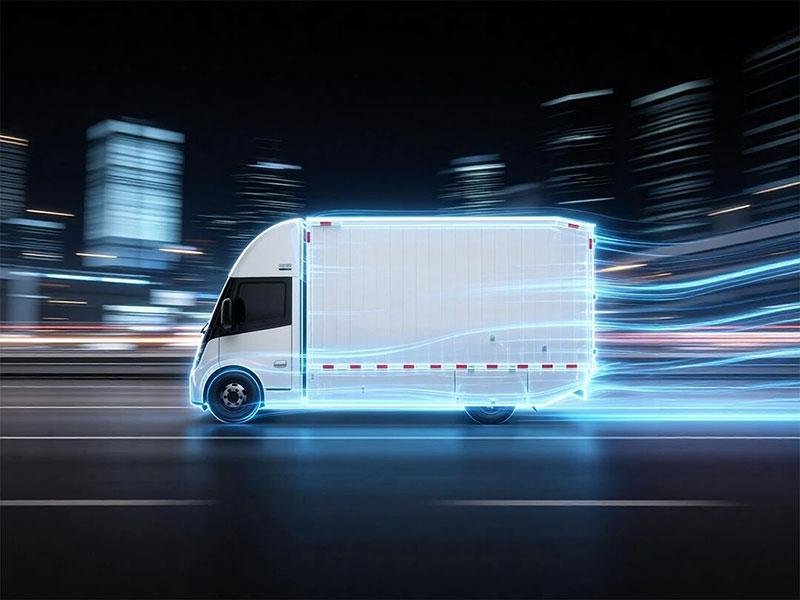
Diesel vehicles are most efficient at steady highway speeds, while electric vehicles face the opposite challenge: energy consumption rises sharply with speed because aerodynamic drag increases with the square of velocity. Above approximately 80 km/h, a large portion of battery energy is spent pushing against air rather than moving cargo. This is a critical consideration for intercity routes where highway driving dominates the daily mileage.
Many electric light trucks on the market are converted from diesel platforms. These "oil-to-electric" conversions typically retain a boxy cab profile with poor drag coefficients, and their energy consumption climbs steeply at highway speeds. Buyers should therefore confirm that a candidate vehicle is built on a purpose-designed electric platform rather than a retrofit. A lower drag coefficient (Cd) translates directly into longer effective range on intercity highways. As an industry reference, the JAC Kunpeng ET9 uses a wedge-shaped body with a claimed Cd of 0.33, which the manufacturer states contributes to approximately 30% greater range compared with conventional cab designs.
2. Fast Charging: The Real Question Is Charge Time, Not Maximum Power
Intercity freight operations typically require continuous vehicle availability: when the driver rests, the truck should also be ready to move again. A five-minute diesel refuel cannot be matched by an hour-long charging stop without affecting route economics. Buyers should therefore look beyond the headline "supports fast charging" label and ask for the State of Charge (SOC) time from 20% to 80% under real conditions.
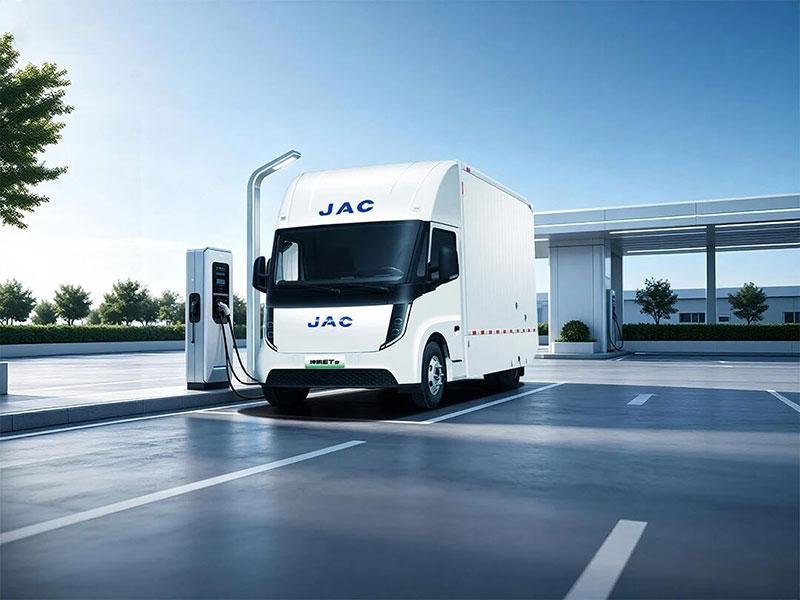
Not all fast chargers deliver the same power, and not all vehicles can accept the rated output of a given charger. A truck that technically supports fast charging but charges slowly in practice offers little operational benefit. Battery thermal management is also relevant: a battery that maintains stable temperature during high-rate charging will accept power more consistently. Buyers should review cold-weather charging performance as well, since low temperatures reduce charging speed in many battery chemistries. The Kunpeng ET9 pairs a CATL Tianxing constant-temperature battery pack with dual-gun charging, and JAC states a 20% to 80% SOC top-up time of approximately 18 minutes, which would allow roughly 200 km of additional range in a typical 15-minute service area stop.
3. Real-World Energy Consumption: Look Beyond the Per-Kilometre Cost Figure
The true cost of operating an electric light truck depends on energy consumption under loaded highway conditions, not on optimistic urban cycle figures. Two engineering factors determine this: electric drive efficiency and thermal management of the cabin. Buyers should request energy consumption data measured at highway speed with rated payload, not just at low-speed city testing.
Heating in winter is a particular concern for electric trucks. Vehicles using PTC heaters for cabin warming can lose a significant portion of range in cold weather, which discourages drivers from using the heater. A heat pump system can reduce this penalty substantially. Operators should also consider long-term cost over the full vehicle lifecycle. For a 4.5-tonne electric light truck driven approximately 100,000 km per year, energy and maintenance savings versus a comparable diesel can accumulate quickly, with multi-year payback often achievable within two to three years depending on diesel price, electricity tariff, and mileage. The Kunpeng ET9 uses a flat-wire oil-cooled motor and an integrated seven-in-one controller, with JAC stating peak system efficiency above 99.5%, alongside a multi-source heat pump air conditioning system claimed to be 40% more efficient than conventional PTC heating.
For international buyers, dealers, and fleet operators evaluating electric light trucks for intercity routes in 2026, the selection logic differs from urban-focused purchasing. The right questions are not whether an electric truck can perform intercity duty in general, but whether a specific model is engineered for highway efficiency, rapid mid-route charging, and reliable energy consumption under loaded conditions. Reviewing verified specifications and independent operator feedback remains essential before any procurement decision.
Browse current electric light truck listings on CVTrader at /vehicles, connect with verified commercial vehicle dealers at /dealers, or learn how to join the CVTrader dealer network at /become-a-dealer.
Featured Vehicles