




Large Shipment of R08 EV Pickups Heads to Ethiopia: What Exporters and Dealers Should Know
 By System Admin
2 months ago
By System Admin
2 months ago
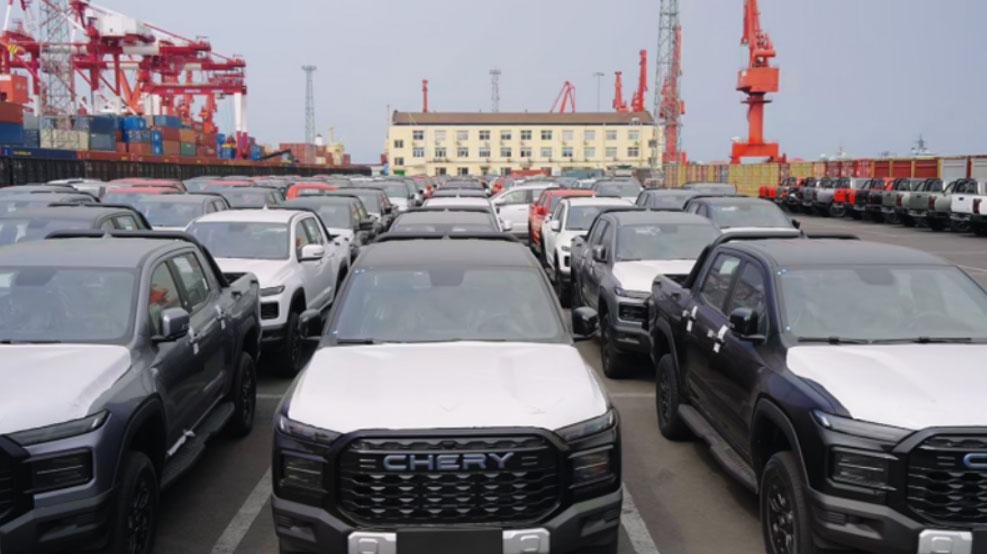
A recent shipment of 150 R08 EV pure electric pickups exported from Qingdao Port to Ethiopia has drawn attention across the commercial vehicle export community. The batch is being cited as one of the largest single orders of Chinese-made electric pickups bound for Africa and as a new high for electric pickup volumes shipped through Qingdao in a single consignment. For international buyers, dealers, and sourcing teams, the shipment is less about a single record and more about what it signals for the wider new energy vehicle trade with East Africa.
Why Ethiopia Matters for Electric Vehicle Exports
Ethiopia has moved earlier than many comparable markets on energy transition policy. The country halted imports of internal combustion passenger vehicles in 2024, and local new energy vehicle penetration reached 7 percent in 2025, well above the global average. Combined with volatile international oil prices and a push to use domestic hydroelectric resources for transport, this policy direction has reshaped import demand toward electric and hybrid models, including commercial categories such as pickups and light trucks.
Broader Africa to China EV imports have also grown sharply, with Ethiopia positioned as one of the core destination markets. For exporters and dealers, the practical implication is that demand for new energy light commercial vehicles in the region is no longer a niche conversation but a structured sourcing requirement driven by regulation, fuel economics, and energy availability.

Vehicle Specifications Relevant to African Operating Conditions
Ethiopia is often described as the roof of Africa, with mountainous terrain, deep valleys, and significant elevation changes. Local roads frequently include unpaved sections, desert tracks, and steep gradients, which places real demands on drivetrain durability, chassis strength, and load stability. These conditions are central to why an electric pickup rather than a passenger-oriented EV is being deployed at scale.
The R08 EV is configured with a dual-motor four-wheel-drive system, a body-on-frame chassis typical of serious pickups, and dedicated pickup suspension aimed at loaded operation. Reported battery capacity is 88 kWh, with a maximum range of around 510 kilometers on a single charge, and the vehicle supports bidirectional external power output for worksite tools and outdoor equipment. Reported operating cost per kilometer is around 15 percent of a comparable traditional fuel pickup, supported by low domestic electricity costs, with simpler routine maintenance requirements.
For fleet operators and dealers evaluating this category, the relevant questions are not just range and price. Terrain capability, chassis construction, parts availability, charging infrastructure compatibility, and service network support are the deciding factors in East African markets, and these should shape any sourcing specification.
What This Means for Dealers, Exporters, and Sourcing Teams
The shipment reflects a broader strategic move by Chinese OEMs toward new energy commercial vehicles in Africa, with electric pickups positioned as a key export segment rather than a sideline. Several practical points stand out for international buyers and dealer networks.
First, the policy environment in Ethiopia is now a meaningful commercial driver. Dealers planning inventory for 2025 and beyond should factor in continued restrictions on fuel vehicle imports and rising local demand for electric light commercial vehicles. Second, terrain-specific engineering, such as four-wheel drive, body-on-frame construction, and high ground clearance, is a baseline expectation rather than a premium feature in this region. Third, the combination of long range, bidirectional power, and low per-kilometer operating cost is what makes the electric pickup commercially viable for African fleet users, not just for private buyers.
For sourcing teams, the shipment is also a reminder to validate homologation, after-sales support, spare parts logistics, and local charging standards before committing to volume orders. For dealers and exporters looking to enter or expand in African new energy commercial vehicle markets, the lesson from the R08 EV export is that success depends on matching vehicle specification to local policy, terrain, and energy economics, not simply on price.
To explore current new energy pickup and commercial vehicle listings available for international buyers, visit CVTrader Vehicles. To connect with verified exporters and regional dealer partners, see CVTrader Dealers. If you are a commercial vehicle dealer interested in expanding into African and other emerging new energy markets, learn how to become a dealer on CVTrader.
Featured Vehicles