




SHACMAN Launches CKD Assembly Project in Pakistan with First L3000 Rollout
 By System Admin
2 months ago
By System Admin
2 months ago
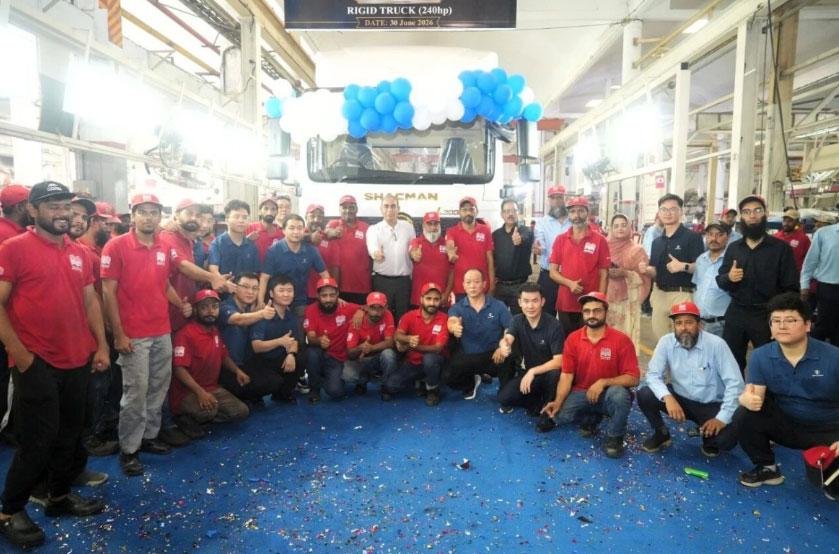
SHACMAN has officially launched its local CKD (Completely Knocked Down) assembly project in Pakistan, with the first locally assembled L3000 model rolling off the production line. The project marks a step forward in SHACMAN's localisation strategy in South Asia and signals a more structured approach to serving regional customers, dealers, and fleet operators.
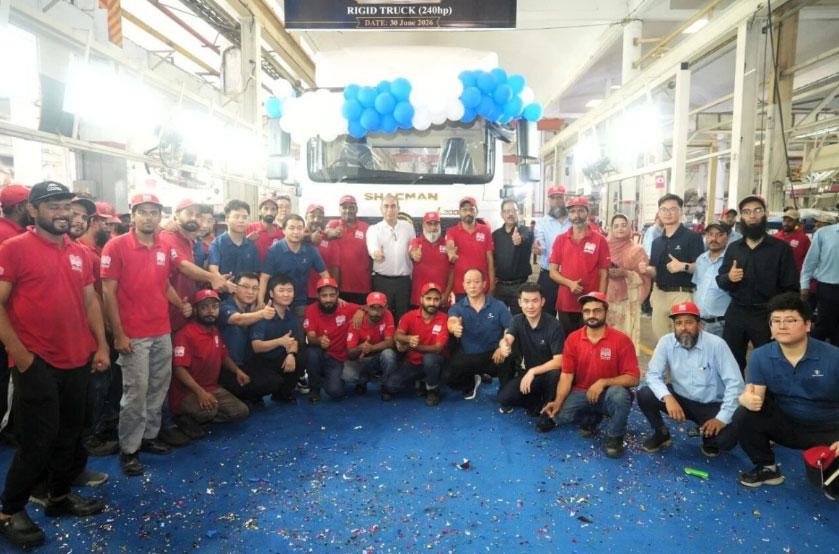
Under the CKD model, complete vehicle kits are shipped to the destination country and assembled locally. This approach allows manufacturers to adapt products to local market conditions while supporting the development of domestic parts suppliers, assembly labour, and related service networks. For SHACMAN, the Pakistan project is positioned as part of its broader Belt and Road market expansion, with the country identified as a key strategic location along its overseas route map.
What the Pakistan CKD Project Means for SHACMAN
The Pakistan CKD project is designed to strengthen SHACMAN's delivery capability in South Asia and improve its competitiveness against other heavy-duty truck brands active in the region. By assembling vehicles locally, SHACMAN can shorten lead times for customers, respond more quickly to specification requests, and reduce overall logistics costs associated with shipping fully built units over long distances.
The first model to roll off the line is the L3000, a medium-duty truck platform widely used for distribution, logistics, construction support, and municipal applications. Its selection as the launch model reflects demand patterns in the Pakistani market, where medium-duty trucks typically account for a significant share of commercial vehicle registrations. For international buyers sourcing SHACMAN trucks, the L3000's local availability is expected to improve spare parts supply and after-sales support over time.
Implications for Dealers, Exporters, and Fleet Buyers
For dealers and exporters operating in or sourcing from South Asia, the start of CKD assembly in Pakistan has several practical implications. Locally assembled units may offer shorter delivery windows compared with fully imported models, particularly when configurations need to be adjusted to match local road, climate, or regulatory conditions. This can be especially relevant for fleet operators running mixed fleets that require predictable turnaround times.
Parts and service support is another area where local assembly typically has a long-term impact. CKD projects are often paired with the development of local component suppliers, which can gradually expand the availability of genuine replacement parts in the market. Dealers importing SHACMAN trucks into Pakistan, or buyers operating cross-border fleets, may benefit from a more stable supply of service components as the project matures.
SHACMAN's Pakistani partner has publicly acknowledged the brand's technical and resource support for the project and has indicated plans to continue upgrading the product range and service offering. For B2B buyers evaluating long-term supplier relationships, this type of statement is worth monitoring, as it often signals upcoming model additions, configuration options, and service network expansion.
What International Buyers Should Watch Next
The rollout of the first L3000 is an early milestone rather than a finished programme. Several factors will determine how impactful the Pakistan CKD project becomes for the wider SHACMAN export network. These include the pace of model localisation beyond the L3000, the development of training programmes for local technicians, and the extent to which pricing and configuration options are aligned with neighbouring export markets.
Buyers and sourcing teams comparing commercial vehicle brands for South Asian or trans-Asian fleet operations may want to track announcements related to warranty terms, service centre coverage, and parts pricing in Pakistan. These details often influence the total cost of ownership calculation more than the headline vehicle price, particularly for trucks operating in demanding logistics or construction environments.
For dealers and exporters looking to align with established brands in the heavy and medium-duty truck segment, the development of structured CKD operations in emerging markets is a strong indicator of long-term commitment. SHACMAN's move into Pakistan reflects a broader pattern among Chinese OEMs investing in local assembly to strengthen their position across the Belt and Road region.
CVTrader will continue to track SHACMAN's global expansion and updates from its CKD partners. To explore available SHACMAN listings, visit our vehicles section, or browse our network of dealers. If your company is interested in distributing commercial vehicles internationally, you can also learn how to become a dealer on CVTrader.
Featured Vehicles