




Zero One Port-Tow Trucks Launch in Shenzhen with 1,000-Unit Port Network Deal
 By System Admin
3 months ago
By System Admin
3 months ago
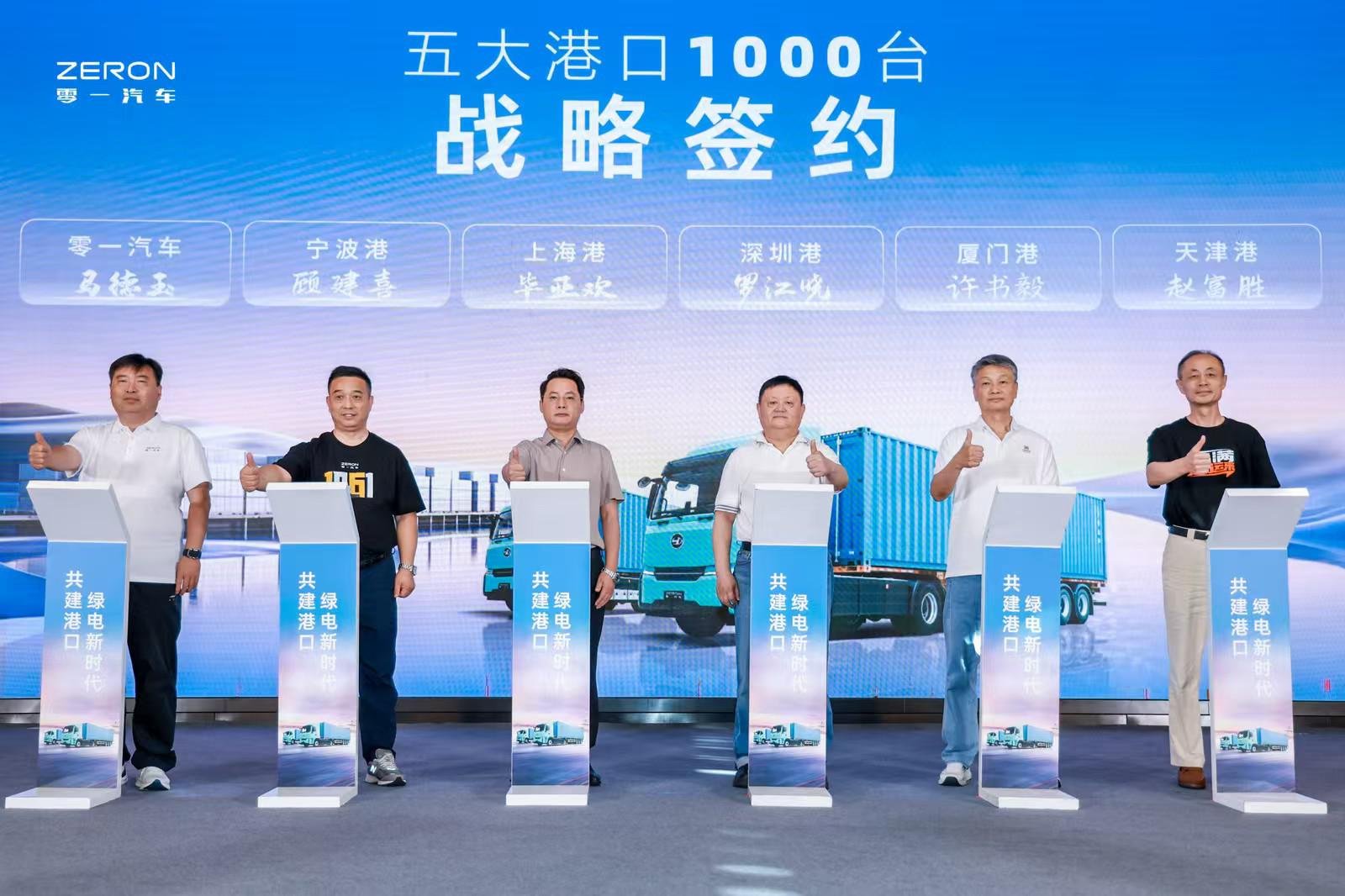
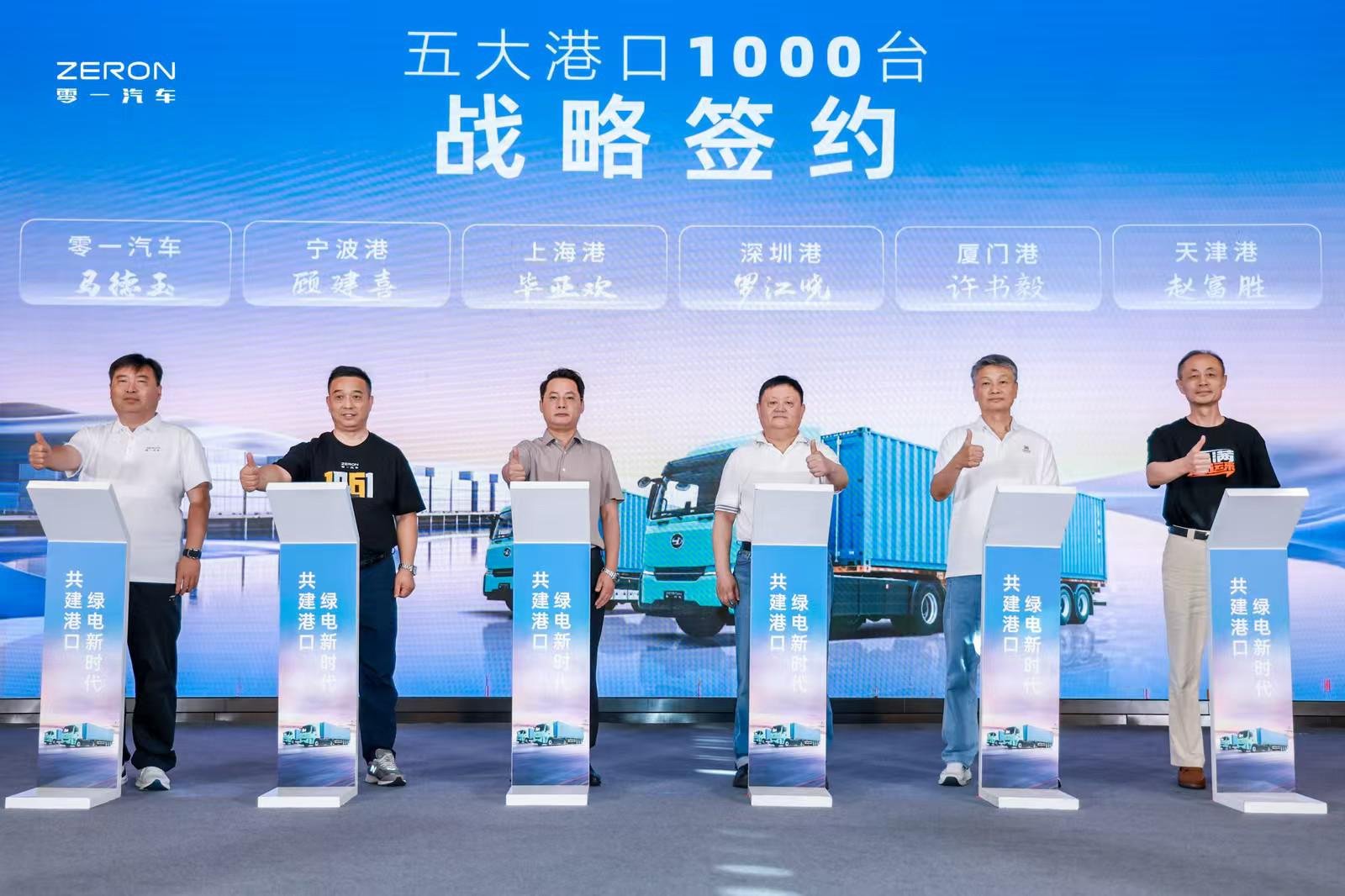
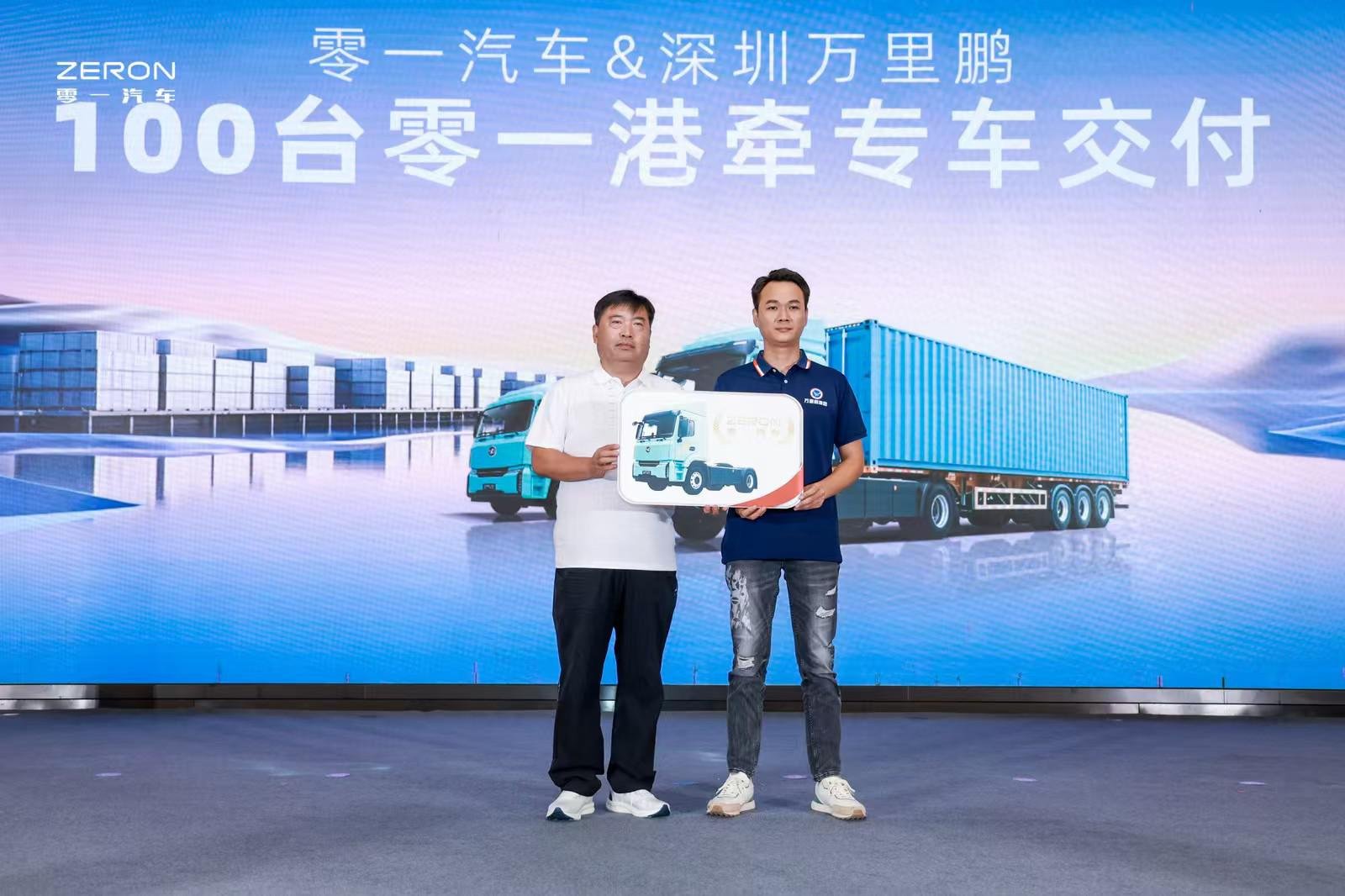
On July 10, Zero One held a launch and delivery ceremony in Shenzhen under the theme of building a new era of port green-electric transport. The event brought together container transport associations from five major Chinese ports and more than 200 leading port logistics companies. During the ceremony, Zero One signed strategic agreements covering 1,000 units with Shenzhen Port, Xiamen Port, Ningbo Port, Shanghai Port and Tianjin Port, and completed the formal delivery of 200 units to customers in the Guangdong region. The combination of a thousand-unit order and batch delivery marks a further step in the electrification of heavy-duty trucks operating in Chinese port environments.
Product positioning and configuration
The Port-Tow (Gang Qian) dedicated truck is offered in two driveline configurations: 4x2 and 6x4. Three battery capacity options are available for the chargeable version, at 400 kWh, 528 kWh and 600 kWh, while the swappable version uses a 513 kWh pack. The same vehicle platform supports both charging and battery swapping, allowing operators to match duty cycles with the appropriate energy supply model. The truck uses an in-house developed Jushi 2.0 integrated electric drive axle and a full under-floor battery layout. According to the company, the 400 kWh version has a curb weight of approximately 8 tonnes, which it describes as the lightest in its class for the same battery capacity, and a measured combined energy consumption as low as 0.95 kWh per kilometre. The swappable variant is designed to return to a fully charged state in roughly five minutes.
Port electrification policy backdrop
The launch coincides with a national policy push to accelerate new-energy heavy-duty truck adoption. A multi-ministerial plan titled Implementation Scheme for Promoting the Scaled Application of New-Energy Heavy-Duty Trucks has identified port operations as a priority scenario for replacing existing diesel fleets. Ports are characterised by short, predictable routes, defined duty cycles and concentrated operating zones, which align well with current battery-electric drivetrains. The policy framework is intended to support fleet renewal in these high-utilisation segments, where total cost of ownership and emissions reductions can be achieved more quickly than in long-haul applications.
What the deal means for buyers and sourcing teams
For international buyers, dealers and exporters tracking the Chinese commercial vehicle market, the 1,000-unit port agreement is a signal of two things. First, domestic port operators are committing to multi-batch fleet renewal rather than limited pilot orders, which indicates growing confidence in the operational economics of battery-electric tractors in confined routes. Second, the availability of both chargeable and swappable variants on a single platform simplifies specification decisions for fleets that may want to mix power solutions across depots or terminals. For fleet operators and sourcing teams outside China, the event also provides a reference point for evaluating whether purpose-built electric tractors, rather than retrofits of existing diesel models, are now a viable option for port, terminal and short-rail intermodal applications. Exporters and dealers interested in this segment can monitor the brand's expanding dealer footprint, upcoming homologation steps and any future right-hand-drive or international specification variants as indicators of overseas availability.
Zero One's emphasis on under-floor battery placement also addresses a recurring concern in port operations: vehicle centre of gravity. By positioning the pack below the chassis frame, the manufacturer states that the overall centre of gravity is reduced by approximately 40 percent compared with traditional rear-cab-mounted battery layouts, which is relevant for tractors handling heavy container loads in yard and quay conditions. For buyers comparing driveline options, the combination of an integrated electric axle, a light curb weight at the 400 kWh level and dual-mode charging is a configuration worth benchmarking against equivalent models from other domestic and international electric truck manufacturers entering the port segment.
As more Chinese ports move from pilot projects to scaled fleet orders, the Port-Tow launch illustrates how domestic suppliers are segmenting their electric truck line-ups around specific operating environments rather than offering a single general-purpose platform. Sourcing teams following the market should track delivery performance, after-sales coverage and residual value data from these early 1,000-unit deployments, as these factors will shape the next round of procurement decisions across both domestic and export markets.
Explore current listings on CVTrader or connect with verified dealers through the dealer directory. If your business is active in commercial vehicle sales, learn how to become a dealer on CVTrader.
Featured Vehicles