




Beiben Heavy-Duty Truck Unveils 300kW Hydrogen Fuel Cell Tractor for Heavy Haulage
 By System Admin
2 months ago
By System Admin
2 months ago
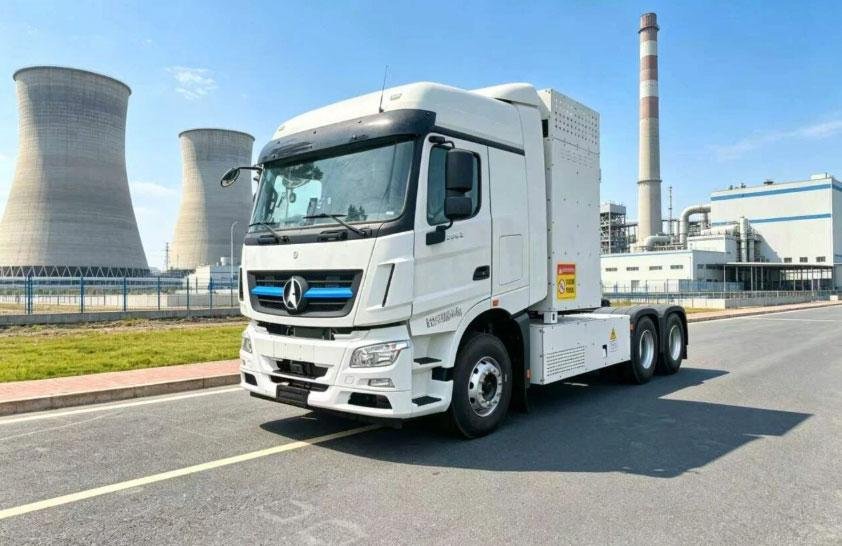
Beiben Heavy-Duty Truck has announced the official rollout of a new 300kW high-power hydrogen fuel cell tractor developed in collaboration with Shanghai Refire Energy Technology. The vehicle has completed the application process for China's national motor vehicle product announcement, a regulatory step required before commercial sale and registration. The launch extends Beiben's high-power hydrogen fuel cell heavy truck portfolio and signals continued investment in zero-emission powertrain solutions for long-distance freight applications.
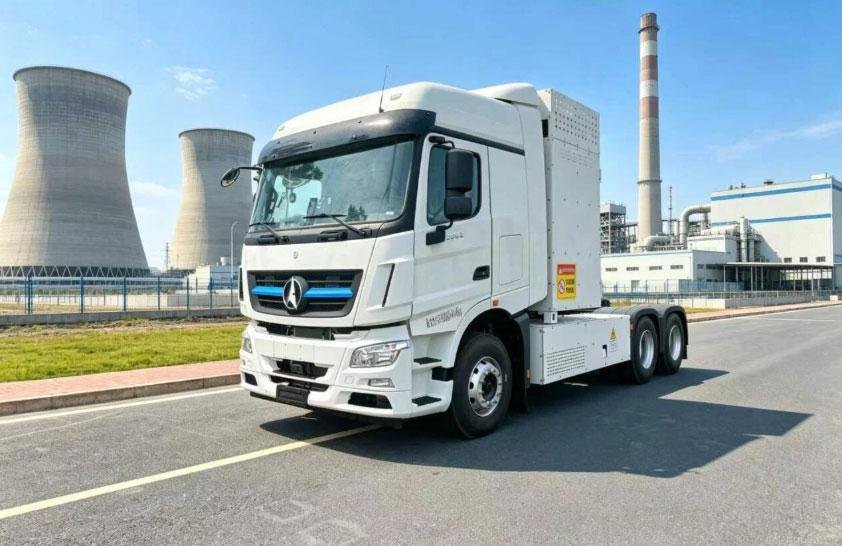
The tractor is built around a 300kW fuel cell system with a reported peak efficiency of 65.95%. Beiben highlights strong mass power density and volumetric power density, four low-temperature adaptation technologies, including autonomous stack heating, BOP directed drainage, lightweight thermal mass design, and air compressor waste heat recovery. According to the manufacturer, the system supports rapid cold starting in extreme conditions down to -40.2°C. An intelligent dynamic energy management strategy is used to keep the combined hydrogen and electric powertrain operating within an efficient range, with the stated aim of balancing low-carbon performance with operating economy.
What the Launch Means for Hydrogen Heavy Truck Development
The new tractor represents one of the higher power outputs currently reported in China's hydrogen fuel cell heavy truck segment. Many earlier hydrogen truck models from Chinese manufacturers have operated in the 100kW to 200kW range, so a 300kW system is positioned to handle heavier gross combination weights and more demanding duty cycles, including long-haul trunk routes and high-altitude freight corridors. Cold-start capability is a practical requirement for fleets operating in northern China, Mongolia, Russia, and Central Asia, where winter temperatures regularly fall well below -30°C.
For international buyers, the announcement is relevant because it indicates that Chinese heavy truck OEMs are moving from pilot fleets toward higher-power production-ready platforms. Buyers evaluating hydrogen-powered tractors for regional haulage, port logistics, or mining operations can now compare a wider set of power configurations and cold-climate specifications. However, real-world performance data, total cost of ownership figures, hydrogen consumption rates, and refueling infrastructure assumptions are not yet published for this specific model.
Industry Collaboration and Regional Hydrogen Ecosystem
The project was structured as a "Revealing the List and Commanding" government-led innovation initiative, a program that brings together lead manufacturers and specialist technology partners to solve defined technical targets. Beiben served as the lead, with Shanghai Refire Energy contributing fuel cell expertise. The structure is intended to spread technical risk across multiple partners and accelerate commercialization timelines, an approach increasingly common in China's strategic clean energy sectors.
Beyond the single vehicle platform, the initiative has supported the development of a regional hydrogen equipment manufacturing cluster in Inner Mongolia. The project links upstream and downstream partners across components, system integration, and vehicle assembly, while also training specialized engineering teams. For buyers sourcing vehicles from China, this cluster approach can translate into shorter lead times, more consistent component supply, and a broader service network once vehicles enter operation. Inner Mongolia's policy focus on building a clean, low-carbon modern energy system also suggests ongoing local subsidies and infrastructure investment, which may affect total deployment costs.
Practical Considerations for International Fleet Operators and Dealers
Buyers outside China considering hydrogen fuel cell trucks should weigh several practical factors before committing. Hydrogen refueling infrastructure remains limited in most international markets, and the operating economics of a 300kW tractor depend heavily on the availability and pricing of green hydrogen at depot or corridor level. Cold-climate performance claims should be reviewed alongside independent test data where possible, and buyers should confirm the warranty terms for the fuel cell stack, balance of plant components, and high-voltage electric systems.
For dealers and exporters, the rollout underscores the growing range of Chinese hydrogen truck offerings entering the global market. Beiben's established export presence, particularly in markets across Africa, the Middle East, Central Asia, and Southeast Asia, provides an existing channel for introducing hydrogen models where supportive policies are emerging. Fleet operators sourcing vehicles for mining, steel mills, ports, or chemical plants with on-site hydrogen production may find these high-power platforms particularly relevant, since on-site generation can offset limited public refueling networks.
The vehicle's entry into the national product announcement process is a procedural milestone, not a guarantee of immediate mass-market availability. Interested buyers should monitor follow-up announcements on certification completion, trial fleet deployments, and commercial pricing. As more Chinese OEMs bring higher-power hydrogen trucks to market, competitive pressure on European and Korean fuel cell truck developers is likely to intensify, which may benefit end users through faster innovation cycles and broader model availability.
For current listings of commercial vehicles available through our network or to connect with verified dealers across key export markets, visit our vehicles page or browse the dealers directory. Suppliers and exporters interested in joining the platform can learn more about partnership options on the become a dealer page.
Featured Vehicles