




Heavy-Duty Electric Dump Trucks in Mining Haulage: Performance and Operating Cost Considerations for Fleet Operators
 By System Admin
2 months ago
By System Admin
2 months ago
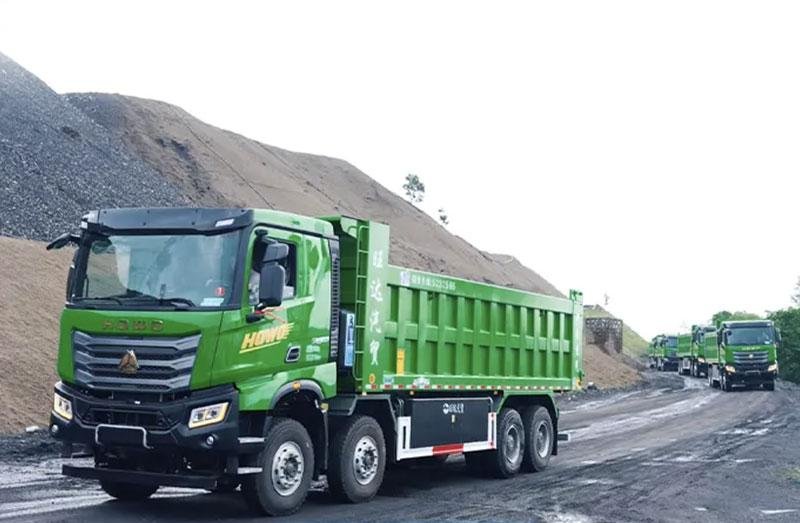
Electric and new energy heavy-duty trucks are steadily moving from pilot projects into demanding real-world applications, including mining, quarrying, and the transport of bulk industrial materials. In regions with continuous uphill and downhill routes, such as coal gangue transport in mountainous mining areas, fleet operators have historically faced high fuel consumption, frequent gear changes, and elevated maintenance costs. The introduction of large electric drive dump trucks is now being positioned as a potential alternative to traditional diesel powertrains, particularly where high torque at low speeds and energy recovery on descents can deliver measurable operating benefits.
Drivetrain Characteristics Relevant to Steep, Heavy-Load Routes
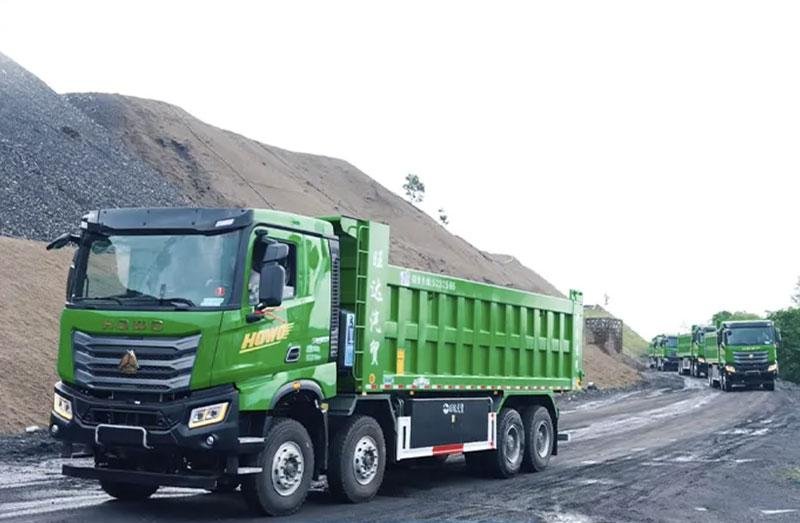
Electric drive systems deliver maximum torque from standstill, which is directly relevant to fully loaded dump trucks operating on gradients. The Sinotruk HOWO TS new energy dump truck, for example, is reported to use a high-output electric motor in the 600 kW range, with peak output described by the manufacturer as 816 hp. For fleet managers, the practical question is how this translates into route performance: fewer downshifts on climbs, reduced reliance on high engine rpm to maintain speed, and lower likelihood of thermal derating on long ascents. Operators quoted in the source material report that vehicles can sustain extended uphill and downhill operation without triggering power limiting events, reducing on-route downtime.
For international buyers sourcing vehicles for similar terrain, the key specifications to evaluate are continuous motor power, peak torque, battery capacity, and the manufacturer's recommended gradient limit. Buyers should also confirm whether the published figures represent peak or sustained performance, as this distinction is critical for continuous shift operations typical in mining logistics.
Efficiency, Energy Recovery, and Operating Cost Implications
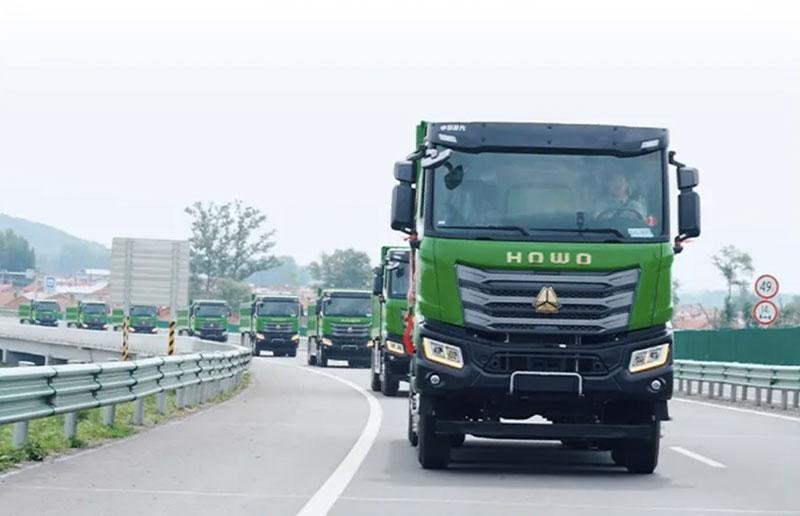
One of the central arguments for electric heavy dump trucks in hilly operations is regenerative braking on descents. When a loaded dump truck descends a gradient, the drive motor can operate as a generator, returning energy to the battery and reducing net energy consumption. The source material indicates that the HOWO TS model is designed to recover energy during downhill braking, which contributes to a lower overall energy cost per ton-kilometer compared with a conventional diesel truck on the same route.
Operating cost reduction in electric trucks generally comes from three areas: lower energy cost per kilometer, fewer consumable parts due to the simpler structure of an electric drivetrain, and extended maintenance intervals. The source notes a 1.5% improvement in motor efficiency within the expanded high-efficiency operating range, alongside longer service intervals and reduced mechanical wear. For fleet operators, these factors should be modeled against local electricity tariffs, charging infrastructure availability, and route cycle frequency to produce a realistic total cost of ownership comparison.
Reliability in Continuous, High-Load Operations
Mining and bulk material transport impose harsh duty cycles: rough surfaces, frequent stop-and-go traffic, and extended operating hours. The source material states that the vehicle is engineered for high-frequency loading cycles, with smooth power delivery under repeated starts and stops and no noticeable power fade during long shifts. This enables operators to plan a smaller standby fleet, since fewer vehicles are out of service for unscheduled repairs.
For export buyers and dealers, the reliability case should be examined alongside the availability of local service support, spare parts inventory, and technician training. Electric powertrains have fewer wearing parts than diesel engines, but they introduce new requirements around high-voltage system diagnostics, battery thermal management, and DC charging compatibility. Fleet operators considering adoption should assess whether their existing maintenance facilities and partner network can accommodate these requirements, or whether the manufacturer offers a structured support program.
Beyond operational performance, zero tailpipe emissions during operation align with tightening emissions standards in many jurisdictions and with corporate decarbonization targets. For fleets operating in or near urban areas, restricted mining zones, or environmentally sensitive regions, this can be a decisive factor when comparing equipment options.
For international buyers, dealers, and sourcing teams evaluating new energy heavy dump trucks for mining, quarrying, or bulk haulage, the HOWO TS platform illustrates the direction the Chinese commercial vehicle industry is taking in heavy-duty electric applications. Buyers should request independent verification of performance claims, review warranty terms for the battery and motor, and confirm compatibility with local charging standards before procurement. Detailed specifications, dealer locations, and current inventory can be reviewed through the CVTrader platform.
Browse available new energy and conventional heavy dump trucks on CVTrader Vehicles, locate verified exporters on the Dealers page, or learn how to list your inventory through Become a Dealer.
Featured Vehicles