




Can Electric Light Trucks Handle Intercity Routes? A Buyer's Guide to Real-World Performance
 By System Admin
9 months ago
By System Admin
9 months ago
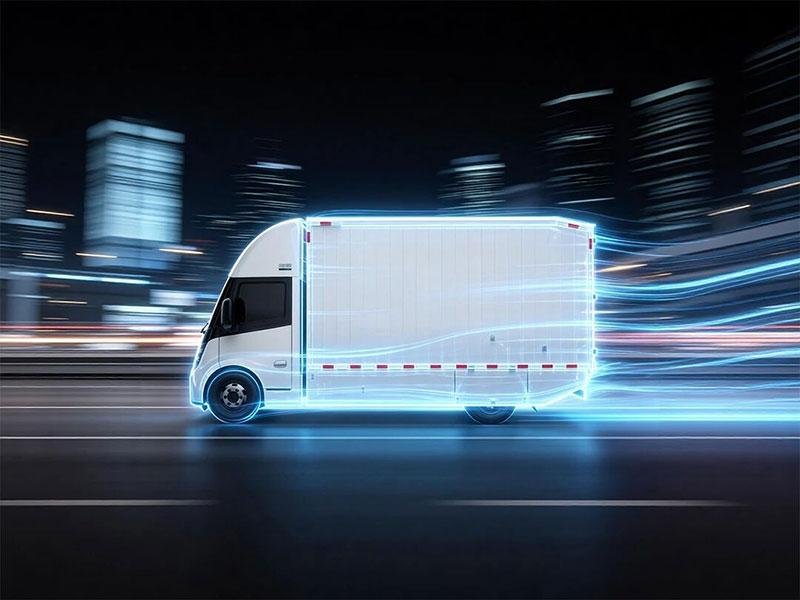
For many fleet operators, the idea of running a battery-electric light truck on intercity routes still raises doubts. Concerns about range on the highway, long charging stops, and cold-weather performance have kept some buyers on diesel, even as fuel costs climb. At the same time, total cost of ownership calculations are shifting, and more logistics teams are asking whether a purpose-built electric light truck can realistically cover 300 to 400 kilometers per day, with a large share of that distance on motorways.
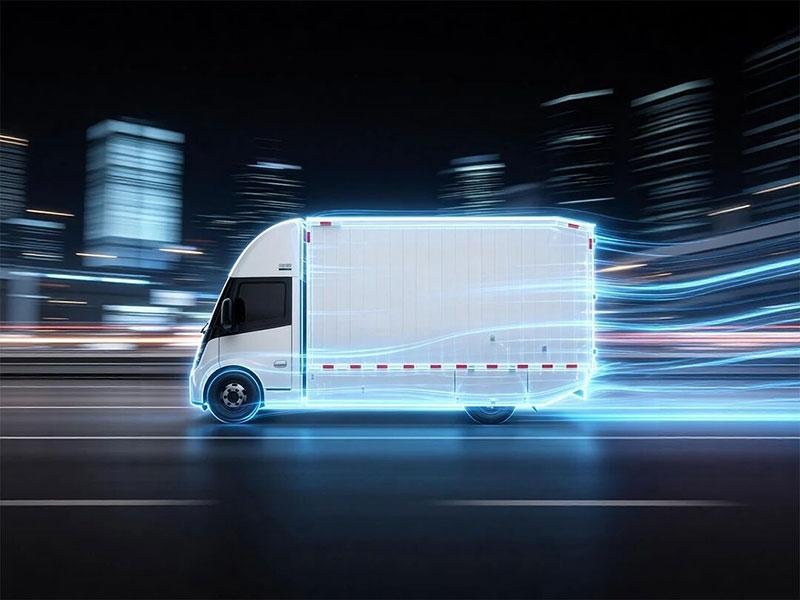
Rather than asking whether electric trucks "work" in general, buyers are better served by asking what a light truck designed for intercity duty should look like. The discussion below breaks the question into three practical areas: high-speed range, charging speed and compatibility, and real-world energy costs. These are the same points fleet managers and sourcing teams tend to raise when evaluating new electric light truck models.
High-Speed Range: Real Numbers vs. Label Claims
Intercity operations are different from urban delivery. A typical day can involve 300 to 400 kilometers, with 70 to 80 percent of that distance on highways at sustained speeds. Many light trucks on the market were originally designed for diesel and later converted to electric power. Their boxy cabs and high drag coefficients waste energy at speed, which is why some operators see real-world range fall well below official figures once they leave the city.
Manufacturers addressing this issue are moving to dedicated electric platforms. A purpose-built architecture allows for a lower, more aerodynamic cab profile and better packaging of batteries and drivetrain components. The difference in drag coefficient between a converted diesel cab and a streamlined electric design can be significant, and it shows up directly in energy consumption per kilometer at highway speed. Independent test data from real intercity routes, including loaded runs above 80 km/h, is one of the most useful indicators a buyer can look at before making a purchase decision.
Charging: Speed and Infrastructure Compatibility
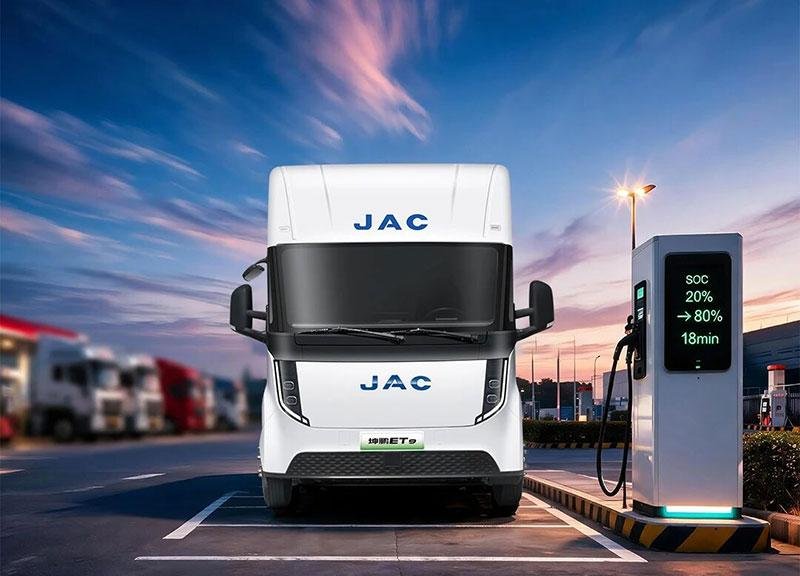
Range only matters if the truck can be recharged quickly and reliably between shifts. For intercity work, the goal is to keep the vehicle moving during loading, unloading, and mandatory driver breaks. A short charging window of around 15 to 20 minutes, ideally aligned with a rest stop, is a practical target. The charging technology itself is less important to the buyer than the actual time added to the working day, and how consistently that time can be achieved.
Compatibility with widely available DC fast chargers is equally important. Operators cannot guarantee that every service area, logistics park, or customer site will host a brand-specific charging station. Trucks that work with standard public fast-charging infrastructure give fleet managers more route flexibility and reduce the risk of lost time waiting for a specific connector or charger type. When evaluating an electric light truck for intercity duty, buyers should ask suppliers for documented charging times from common state-of-charge levels, such as 20 to 80 percent, using standard public chargers.
Total Cost of Ownership: The Numbers That Matter
Energy efficiency on the highway is where electric light trucks either earn their place or fall short. Aerodynamic drag, motor efficiency, and thermal management all influence how many kilowatt-hours are consumed per 100 kilometers. At sustained highway speeds, small differences in efficiency translate into large differences in annual operating cost. For example, a truck consuming 3.5 to 4 km per kWh versus one managing only 2.5 to 3 km per kWh will show a clear gap in energy spend over a year of high-mileage operation.
Cold-weather performance is another cost factor that is often overlooked in initial specifications. Electric cab heating can consume a meaningful share of battery capacity in winter, and systems that rely solely on resistive heating tend to penalize range. Trucks equipped with heat pump-based thermal management generally show better winter efficiency. Beyond energy, buyers should also weigh maintenance, insurance, and any local incentives or charging tariffs that apply to commercial electric vehicles. When these factors are combined, the gap between an electric light truck and a comparable diesel model can reach a level where payback occurs within a realistic operating horizon, particularly for high-mileage intercity fleets.
For international buyers, dealers, and sourcing teams, the practical takeaway is to evaluate electric light trucks on three measurable criteria: verified high-speed range under load, charging time on public fast chargers, and verified energy consumption including winter operation. A truck that performs well on all three is a credible candidate for intercity duty. A truck that only performs well on a single metric, usually the official range figure, deserves closer scrutiny.
CVTrader lists a wide range of new and used commercial vehicles from international dealers. Browse current electric light truck options in our vehicle inventory, connect with verified sellers in our dealer directory, or learn how to list your fleet on the platform through our dealer program.
Featured Vehicles