




Zero One Launches Port-Specific Electric Tractor Line as Chinese Ports Sign 1,000-Unit Deal
 By System Admin
7 months ago
By System Admin
7 months ago
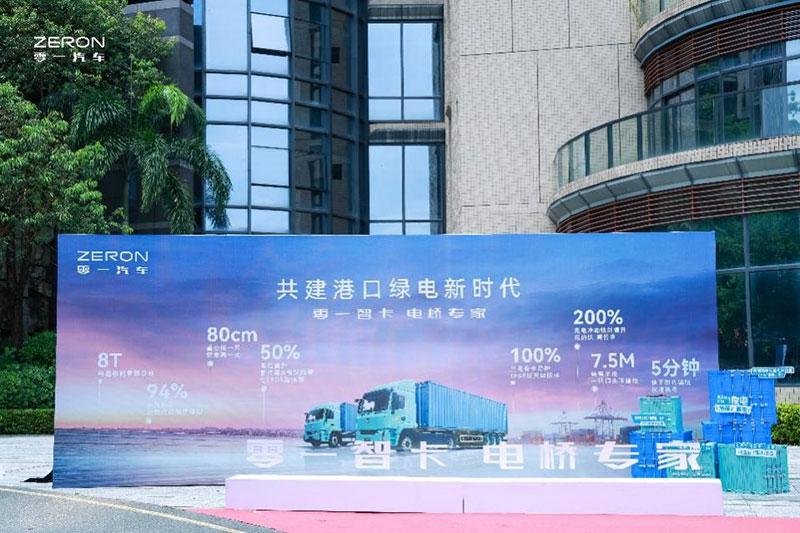
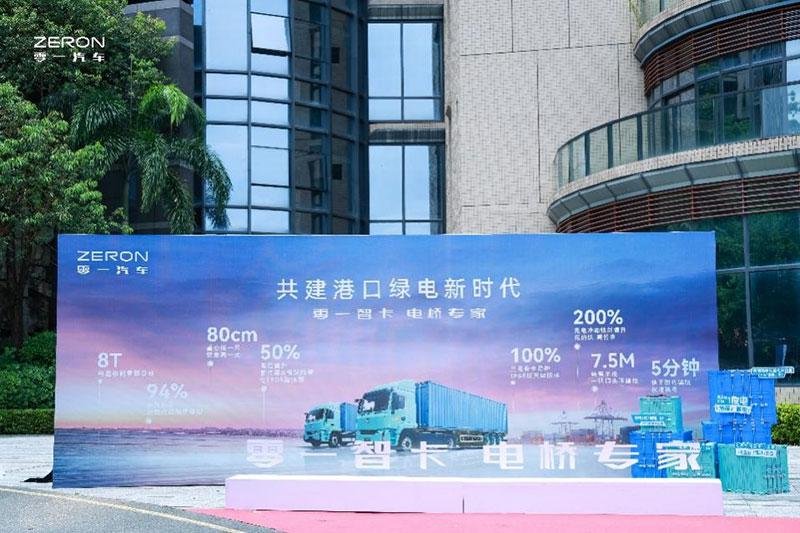
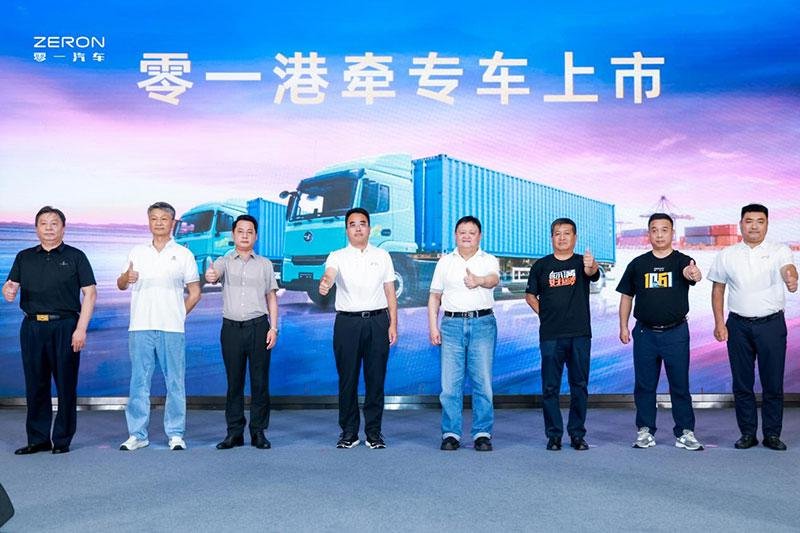
Chinese commercial vehicle manufacturer Zero One has formally entered the port logistics segment with a dedicated battery-electric heavy-duty tractor platform. The vehicle was unveiled at an event held in Shenzhen under the theme of building a new era of green electricity for ports. The launch is positioned as one of the first industry responses to a national implementation plan jointly issued by eleven government departments, which sets out a structured roadmap for scaling new-energy heavy trucks across China's road freight network.
The event brought together container transport associations from five major Chinese ports, alongside more than 200 leading port logistics companies. On the same day, Zero One signed a strategic agreement covering 1,000 units with operators connected to the ports of Shenzhen, Xiamen, Ningbo, Shanghai and Tianjin, and formally handed over the first batch of 200 vehicles to customers in the Guangdong region.
Policy Push and Market Window for Port Electrification
The national implementation plan establishes quantified development targets through 2030, signaling a large-scale shift in China's road freight sector. At the provincial level, regions including Guangdong, Shanghai, Shandong and Tianjin have introduced complementary measures such as scrappage and replacement subsidies, traffic rights prioritization and vehicle purchase tax exemptions. Together, these instruments directly address the decision thresholds typically faced by fleet buyers.
Port logistics is widely viewed as a typical stock-replacement scenario, where existing diesel heavy trucks operate on fixed, short-haul routes within defined operating zones. Analysts quoted in industry coverage suggest that ports are likely to be among the first segments to see full electric penetration, with new-energy heavy trucks expected to account for a significant share of port truck sales in the coming years. Provincial and municipal policies are converging with freight rate structures and improving battery technology to make 2026 a focal point for fleet renewal decisions.
Product Architecture and Technical Specifications
Zero One's port tractor range is built around an architecture developed specifically for fully electric heavy-duty operation, rather than a converted diesel platform. The manufacturer highlights a transmission efficiency figure of 94 percent, achieved through an in-house developed electric drive axle that replaces the conventional central drive configuration, freeing chassis space and lowering the center of gravity by placing the battery fully under the frame.
The product line is offered in four battery capacities — 400 kWh, 513 kWh, 528 kWh and 600 kWh — with both charging and battery-swapping variants available, allowing operators to match the vehicle to local route distances, cargo types and existing refueling or charging infrastructure. Zero One states that the 400 kWh variant has a curb weight of approximately 8 tonnes, which it describes as the lightest in its category for the same battery capacity. The company also references a fast-charging system designed to maintain high current at high state of charge, supported by a customized electronic control strategy. Average energy consumption is stated at below 1 kWh per kilometer, while a turning radius of under 7.5 meters is targeted to support one-pass turning maneuvers in dense container yards.
Standard safety equipment includes an Advanced Emergency Braking System and a dual-source steering system. The combination is intended to address two recurring concerns in port operations — collision risk in tight stacking areas and steering redundancy in case of powertrain faults.
What the 1,000-Unit Agreement Means for Buyers and Export Markets
The strategic agreement covers 1,000 units across five major container ports and represents one of the larger publicly announced commitments to a single dedicated electric tractor platform in the Chinese port sector. The first 200 vehicles have already been delivered to customers in Guangdong, indicating that the supply chain, homologation and after-sales network required for fleet-scale deployment are already in place.
For international buyers, dealers and sourcing teams, the relevance of this launch is twofold. Domestically, the deal demonstrates that dedicated electric tractors can compete with diesel units in real-world port operations at scale, which strengthens the case for similar deployments in overseas ports with comparable duty cycles. From a product perspective, the modular battery and charging or swapping options offer a template for buyers evaluating fleet pilots in markets with limited charging infrastructure, while the documented weight and energy consumption figures provide a benchmark for comparing alternative offerings.
For fleet operators in Europe, the Middle East, Southeast Asia and Latin America considering pilot deployments of electric tractors in container terminals, the Chinese market is increasingly serving as the reference environment for high-cycle, high-utilization operation. Monitoring the performance of large fleets such as the one now being assembled by Zero One will be useful for setting realistic expectations on uptime, energy consumption and total cost of ownership.
As Chinese heavy-duty electric truck manufacturers continue to expand their product portfolios and export networks, dedicated port solutions are likely to become a distinct category in their own right, separate from long-haul and regional distribution models. For procurement teams, this means new options for matching vehicle specification to terminal operating profiles, rather than adapting general-purpose trucks to a highly specialized use case.
To explore current electric truck listings available through CVTrader, visit the vehicles page. To connect with experienced commercial vehicle exporters and dealers, browse the dealers directory. Companies interested in distributing commercial vehicles internationally can learn more about partnership options on the become a dealer page.
Featured Vehicles