




Zhongtong Showcases Multi-Powertrain Bus Lineup at Sydney Bus & Coach Expo 2026
 By System Admin
4 months ago
By System Admin
4 months ago
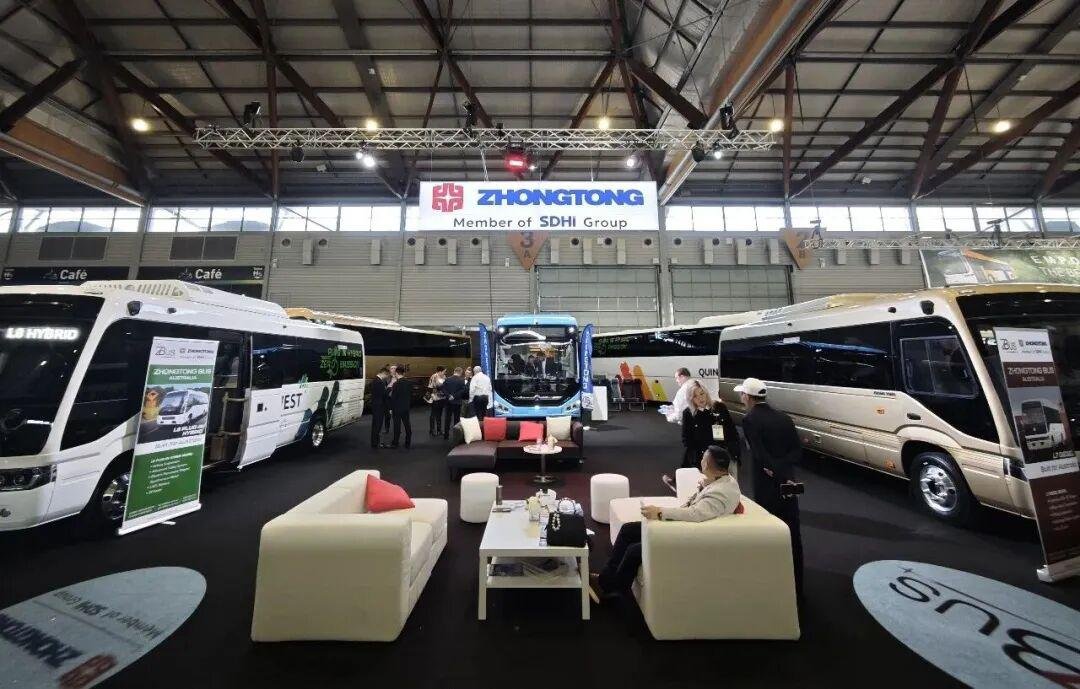
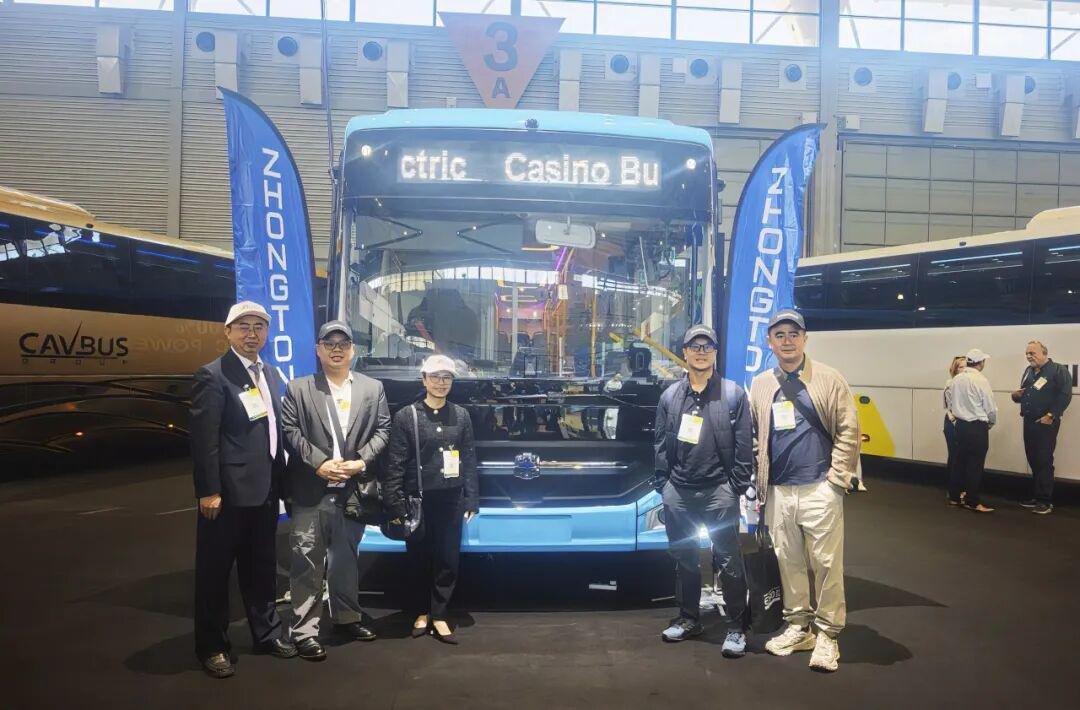
The 2026 Australasia Bus & Coach Expo opened on 15 July at Sydney Olympic Park, hosted by Bus NSW, the bus industry association of New South Wales. The show is widely regarded as the largest dedicated bus and coach trade event in the Oceania region, attracting operators, government buyers, and suppliers from across Australasia. Among international manufacturers exhibiting this year, Zhongtong Bus displayed a five-model lineup covering three powertrain technologies, underscoring the company's effort to position itself as a full-spectrum supplier rather than a single-technology exporter.
According to figures cited by the China Bus Statistical Information Network, Zhongtong exported 4,318 buses over seven metres in the first half of 2026, a year-on-year increase of 23.65%, giving the company a reported 14.35% share of the relevant export segment. Zhongtong first began overseas shipments in 2003 and has since expanded steadily across Asia, the Middle East, and Europe. The export record reflects a longer-term shift in how Chinese commercial vehicle makers approach international markets, with products adapted to specific climate, terrain, and regulatory conditions rather than shipped as standard configurations.
Diesel Models Positioned for Heavy-Duty Operations
Two of the five models on display in Sydney were diesel-powered: the H12 and the L7. According to the manufacturer, the diesel H12 uses a newly developed powertrain aimed at long-distance and high-intensity routes, with claimed fuel consumption roughly 5% to 10% below the industry average for comparable vehicles. The diesel L7 is positioned for corporate, tourism, and rental services, with a stated maximum gradability above 30%, an important spec for hilly Australian routes and regional services across Oceania.
For fleet operators evaluating total cost of ownership, diesel buses continue to play a role in routes where charging infrastructure is limited or where payload and range requirements are demanding. The presence of these two diesel models at a show held in a market actively transitioning toward lower-emission transport suggests Zhongtong is targeting both replacement demand for existing fleets and new procurement cycles.
Range-Extended Models Target the Transition Gap
The H12 range-extended electric and L8 range-extended electric variants address a specific challenge familiar to many international buyers: the gap between diesel reliability and the infrastructure required for full battery-electric operation. Zhongtong describes these models as combining the long range of a conventional drivetrain with the efficiency benefits of electric drive, using an intelligent energy management system to switch between power sources based on operating conditions.
This configuration is particularly relevant for markets such as Australia, where long intercity routes, regional operations, and uneven charging coverage can make pure-electric adoption difficult in the short term. For sourcing teams comparing options, range-extended buses offer a transitional pathway that may align with phased fleet replacement plans and government emissions targets that vary by state and territory.
Battery-Electric N12 Completes the Multi-Technology Offer
The fifth model on display, the battery-electric N12, is described by Zhongtong as a premium, deeply customisable platform. It features a new-generation electric drivetrain, a lightweight body structure, and energy management aimed at high-frequency urban transit use. According to the company, the N12 is designed to be adapted to different national operating environments rather than delivered as a fixed specification, a point of growing importance as more cities issue tenders that include local content, climate adaptation, and service-life requirements.
Zhongtong's presence in Sydney reflects a broader pattern in the global bus export market: Chinese manufacturers are increasingly competing on multi-powertrain portfolios, after-sales support, and the ability to configure vehicles for specific tenders, rather than on price alone. For international dealers, fleet operators, and procurement teams, this trend expands the range of viable sourcing options and may support more competitive tender processes.
Buyers and dealers interested in multi-powertrain buses, truck export programmes, and cross-border fleet procurement can browse current listings or view available vehicles, connect with verified dealers on the CVTrader network, or apply to become a dealer to access international supply opportunities.
Featured Vehicles